To consider a wine natural, it must fulfil a set of criteria, both in the vineyard and in the cellar. In short, a natural wine is made without any chemical additions, neither in the vineyard nor in the winery, from hand-harvested grapes and with the greatest respect for the environment. That is all.
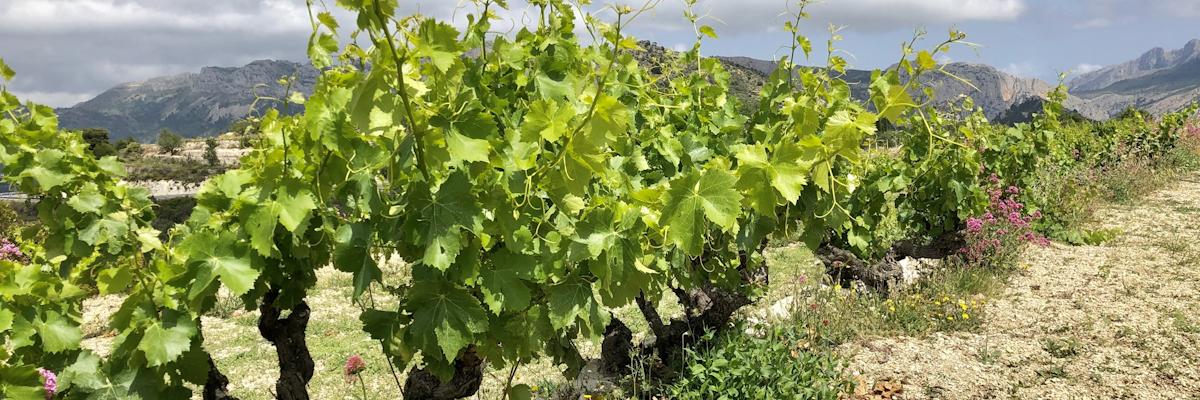
A natural wine begins in a vineyard cultivated using agroecological methods that respect biodiversity and maintain the life of the soil. No synthetic fungicides, no herbicides, no insecticides. The winegrower works with cover crops, natural composts and, above all, careful observation of their environment.
The grapes are harvested by hand, with an initial selection in the plot. Only healthy, ripe grapes, picked at the right moment, reach the winery. The quality of natural wine begins here, in the field, at the foot of the vines.
A living soil is an ecosystem rich in microorganisms, fungi, earthworms and organic matter. This natural balance makes the soil more fertile and capable of nourishing the vine. In contrast, dead soil, treated with chemicals and intensively ploughed, loses its structure and biodiversity, making the vine dependent on artificial fertilisers and treatments.
Winegrowers committed to agroecology ban herbicides and pesticides, encourage plant cover to protect the soil and use natural composts to enrich it. This approach forces the vine to push its roots deeper in search of nutrients and minerals, which improves its resistance to drought and adds greater aromatic complexity to the wines.
Many winegrowers adopt biodynamic principles, using specific preparations such as horn manure (preparation 500) and aligning work with lunar and cosmic cycles. Techniques such as introducing flocks of sheep in winter for natural weed control, or mulching with organic materials, help retain soil moisture and provide nutrients.
Winegrowers who respect living soils prioritise manual harvesting, avoiding heavy tractors that would compact the earth. The presence of mycorrhizae and beneficial insects naturally protects the vine and enhances the expression of terroir in the wines. When a wine is produced with no chemical inputs and no intervention in the cellar, it is called a "double zero" wine: nothing in the vineyard, nothing in the winery.
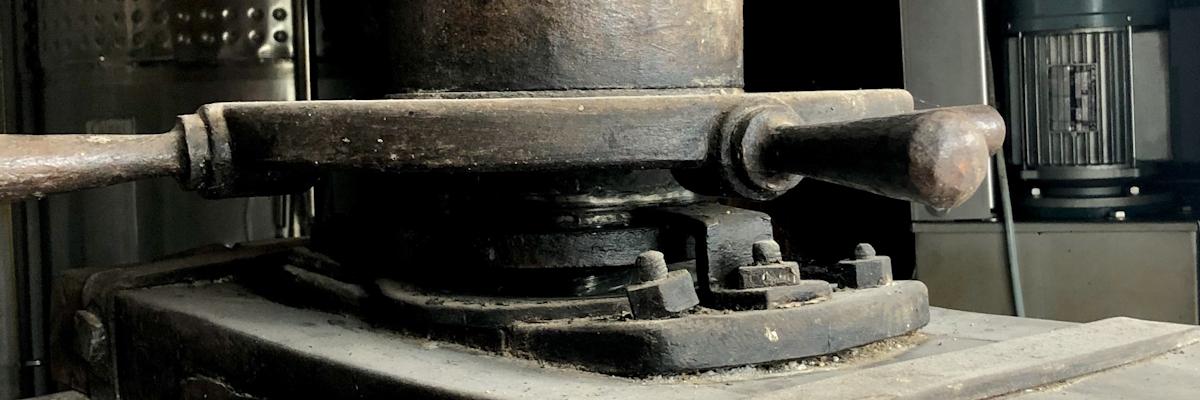
The grapes are crushed to break the skins and then pressed directly (white and rosé wine) or macerated for a shorter or longer period (red and orange wine). The yeasts are indigenous, produced by the plants and flowers of the plot, carried by insects to the vines, and it is these that ferment the must.
The winegrower chooses the container for the cuvée, which influences the taste of the wine · oak barrel, stainless steel or cement tank, amphora · the fermentation time and the moment of bottling. Nothing more. All industrial mechanical techniques and the use of chemical inputs are strictly forbidden: reverse osmosis, pasteurisation, micro-oxygenation, filtration and thermovinification.
Sulphur is an indispensable element of life on earth. Both in the vineyard and in the cellar, it has been used since the Romans, who were already aware of its virtues. In wine, sulphur dioxide (SO₂) can be used during vinification to eliminate micro-organisms not involved in fermentation, and also at bottling to improve preservation. Sulphites form when sulphur dioxide comes into contact with wine. The quality and origin of the sulphur matter: it may be volcanic, the yellow powder, or derived from the petrochemical industry.
In the 1960s, a number of visionary French winegrowers set out to make wines without any additives, starting with the most difficult to eliminate: sulphur. The best known are Jules Chauvet in Beaujolais and Pierre Auvernoi in Jura. A community in search of healthy, living, pure wines.
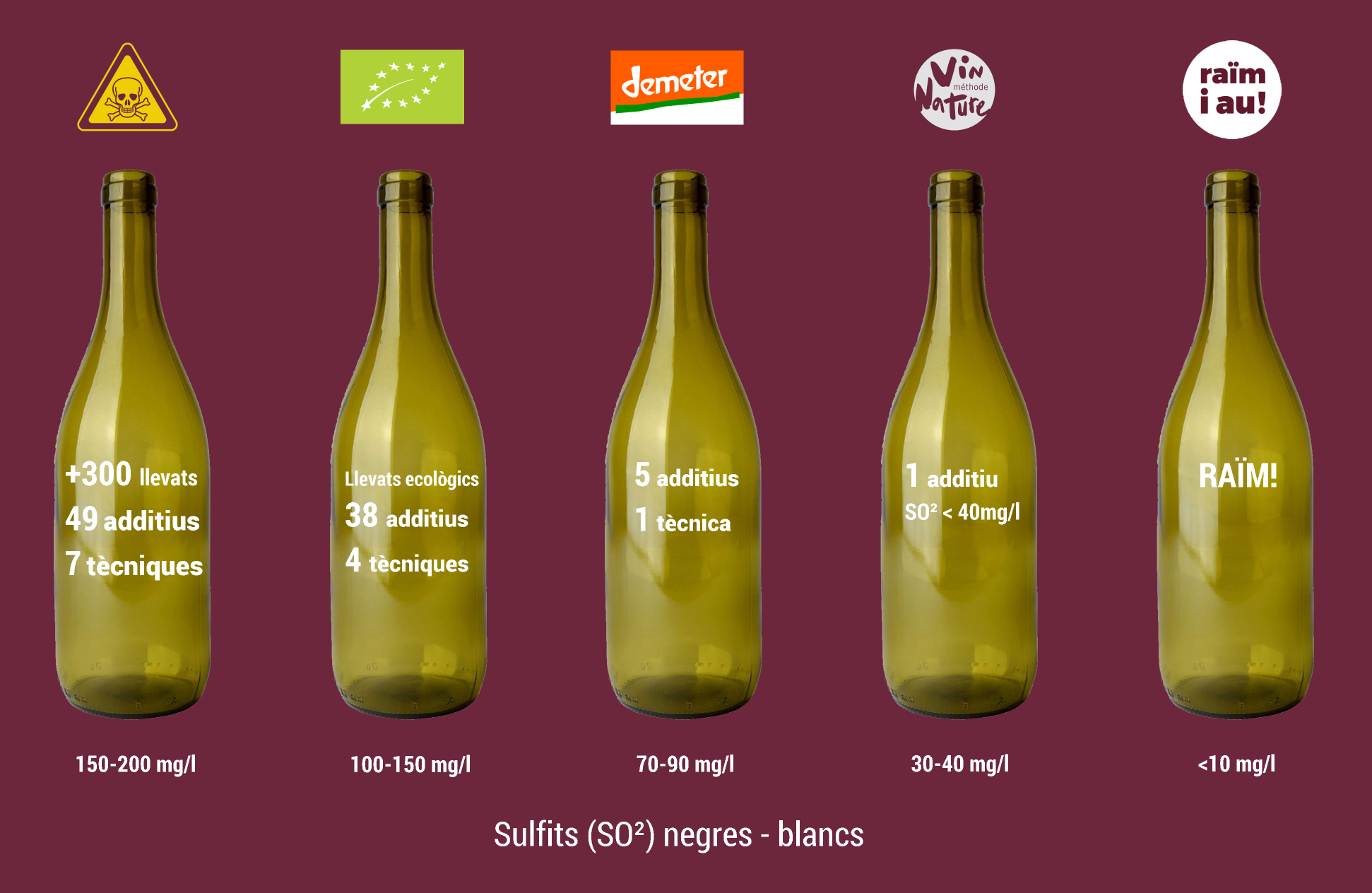
All wines contain sulphites, either naturally in minute quantities of less than 10 mg per litre, or added in amounts defined for each category: conventional wine between 150 and 200 mg/l, up to 400 mg for sweet wines; organic certification between 100 and 150 mg/l; Demeter certification between 70 and 80 mg/l; natural wine less than 20 mg/l. The French association Vin Méthode Nature holds two certifications, one for wines with no added sulphites and one for wines with less than 30 mg per litre.
That said, it is possible to find on the market wines with organic certification that contain no added sulphites. There are also wines with laboratory analyses of 0 mg. These are known as double zero wines: nothing in the vineyard, nothing in the winemaking. Easier said than done.